























Tyre Pressure: Why It’s More Important Than You Think
Tyre pressure is just the air in your bike’s tyres. It helps them stay firm and hold up when you’re riding. It might seem like a small detail, but it’s pretty important. The right pressure makes your bike more stable, saves gas, and keeps your ride safe and smooth.
In this blog, we’ll explore why maintaining the correct tyre pressure for bike tyres is more important than many realise. We’ll break down how it affects your safety, wallet, performance, and even tyre lifespan. Plus, we'll dive into the benefits of using a TPMS for a bike, a tech tool you might not know you needed until now.
Ready? Let’s get rolling.
Safety First – How Tyre Pressure Affects Driving Risks

Riding with incorrect tyre pressure isn’t just a bad habit; it’s a potential hazard. It compromises your control, puts extra strain on your tyres, and increases the chances of accidents. What seems like a small oversight can quickly snowball into a serious safety issue, especially at high speeds or in tricky road conditions.
Underinflation = Trouble Waiting to Happen
Underinflated tyres flex more than their ideal. As a result, the sidewalls overheat. This may cause a blowout over time, something every rider hates. Imagine it occurring on a crowded freeway or midway between two corners.
Longer Braking Distances and Poor Grip
Less air implies less consistency of contact between the tyre and the road. Longer stopping distances and poor traction follow from this, particularly in damp or uneven circumstances. Add high velocity to the mix, and you get a risky concoction.
ABS and Stability Systems Work Best When Tyres Cooperate
Most modern bikes now come with ABS and stability control. But if your tyre pressure is off, these systems can’t function at their best. It’s like wearing brand new trainers with laces untied; you’ve got the tech, but you’re still at risk.
This is where a reliable TPMS for a bike can be a game-changer. It alerts you the moment your pressure dips below safe levels, giving you a shot at fixing things before they become life-threatening.
The Fuel Efficiency Equation
Petrol prices don’t seem to be dropping anytime soon. So if there’s one maintenance habit that helps you stretch your fuel a bit farther, it’s this.
Rolling Resistance Goes Up When Pressure Drops
Low tyre pressure increases the area of the tyre that touches the ground. This creates more friction or rolling resistance, which means your engine has to work harder to move forward.
Higher Resistance = Lower Mileage
The result? Your bike guzzles more fuel than necessary. It’s a gradual drain, hard to notice at first, but over time, it adds up to fuel costs.
Small Tweaks, Big Savings
Maintaining the optimal PSI (Pounds per Square Inch) can improve mileage by up to 3%. Doesn’t sound like much? Multiply that across every litre, every ride, and every month, and you’ll feel the difference in your wallet.
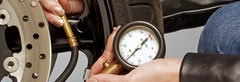
With a tyre pressure monitoring system for bikes, keeping things in check becomes automatic. Instead of manually checking with a gauge (when you remember), the system does the job in real time.
Tyre Wear and Tear - The Longevity Link

Buying new tyres too often? It might not be your riding style; it could just be your tyre pressure. Incorrect pressure leads to uneven tread wear, reducing the tyre’s lifespan and performance. Over time, this means more frequent replacements and more money out of your pocket for something that could’ve been easily avoided.
Uneven Tyre Wear is a Red Flag
Overinflated tyres wear out faster in the centre while underinflated ones wear more on the edges. Either way, your tyres age unevenly and prematurely.
The Cost of Avoidable Replacements
Good-quality tyres aren’t cheap. Replacing them more often than necessary simply because of poor pressure maintenance? That’s like throwing money out the exhaust pipe.
Rotation Helps, But it’s Not a Fix-All
Tyre rotation (where possible) can balance out wear, but it doesn’t address the root issue. Maintaining pressure does. Regular pressure checks, or better, a TPMS for your bike, extend your tyres’ lifespan and give you more bang for your buck.
Ride Quality and Handling Performance
Ever felt your ride was a bit “off” but couldn’t explain why? Tyre pressure could be the silent culprit. Even a slight drop can affect how your bike responds to steering, braking, and bumps on the road. The result? A ride that feels unstable, uncomfortable, and far less enjoyable than it should be.
Comfort Takes a Hit
Overinflated tyres may offer more feedback, but not in a good way. You feel every bump, crack, and pebble. Underinflated tyres, meanwhile, feel sluggish and unstable.
Precision Steering Depends on Proper Pressure
The appropriate tyre pressure improves handling. Crucial for tight bends, unexpected swerves, or high-speed lane changes, it guarantees your steering inputs transfer smoothly.
Long Rides Need Consistent Control
Going on a protracted trip? Even little deviations in pressure might intensify pain over time. Your bike performs poorly, you lose control, and tiredness sets in more quickly.
This is where a TPMS sensor maintains your riding sense rather than just showing statistics. Between rider, road, and bike, the feedback loop runs constantly.
Weather, Seasons, and Tyre Pressure Fluctuations
Here’s something most riders don’t factor in: weather messes with your tyre pressure more than you think. For example, a 10°C drop in temperature can reduce tyre pressure by 1–2 PSI, making your tyres feel softer even if you haven’t touched the bike.
Cold Weather Causes PSI Drops
As temperatures fall, air contracts. That means your tyre pressure dips, even if you haven’t ridden for days. One chilly morning ride could feel wildly different from a sunny afternoon cruise.
Seasonal Changes = More Frequent Checks
It’s not just winter. Every seasonal transition brings fluctuations. That’s why pressure should be checked more often during these periods, ideally, once a week.
Best Times to Check Tyre Pressure
- Early morning before your first ride (cold reading)
- Before long-distance journeys
- After sudden weather changes or storms
Rather than relying on memory, let a tpms for bike handle it for you. Some models even sync with your phone or bike dashboard, providing real-time alerts and no guesswork.
Conclusion
Tyre pressure might not seem like a big deal until it is.
It affects how you ride, how far you go, how much you spend, and how safe you are. It’s that one thing you don’t feel until it’s off, and when it is, the consequences range from annoying to dangerous.
From reducing the risk of blowouts and improving fuel efficiency to boosting handling and prolonging tyre life, the benefits are clear. And now, with the rise of smart systems like TPMS for bikes, there's really no excuse to ride blind.
So next time you gear up for a ride, short or long, spare a moment for your tyres. While helmets protect your head, tyre pressure is essential for ensuring the safety of everything beneath you.
Ready to take tyre health seriously?
Use a trustworthy TPMS system to enhance travel and add a daily checklist item for peace of mind. The right TPMS for bike setup ensures that you never have to question whether you are riding across the country or handling city traffic. Shop genuine TPMS and bike accessories from TVS Motor to ride smarter, safer, and more confidently every day.

 By
By