


























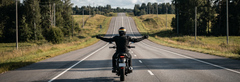
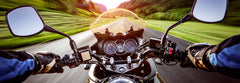
You are confident when riding solo. It is a quiet weekend morning, your helmet secured, gloves on, and your favourite route already playing in your mind. Maybe it is a familiar highway stretch, a quick breakfast ride, or simply a peaceful escape from routine. There is no rush, no pressure, and no one deciding where you stop or how fast you ride. That is the beauty of solo riding.
For many riders, solo rides feel deeply personal. Over time, you settle into a rhythm that feels comfortable, your trusted helmet fits perfectly, your riding gloves feel familiar, and your jacket becomes part of the experience. Every ride feels predictable in the best possible way. Then comes the first group ride invitation. Same motorcycle, same rider, but somehow, everything feels different.
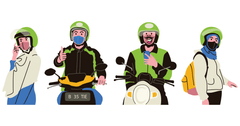
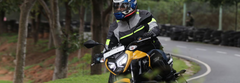
Suddenly, you are surrounded by motorcycles, unfamiliar riding habits, hand signals, and a pace that feels slightly intimidating. The shift in the group ride vs solo ride experience feels awkward for almost everyone at first, and honestly, that is completely normal. Most of the awkwardness comes from a few unexpected adjustments that solo riders rarely think about until they experience them firsthand. Let us talk about why your first group ride might feel uncomfortable and how to make it easier.
Why Solo Riding Feels So Natural

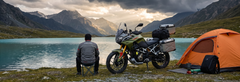
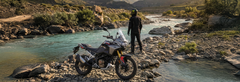
There is a reason so many riders fall in love with solo riding - freedom. When you are riding solo, everything happens on your terms. You decide the pace, stop whenever you want, and take detours without asking anyone. If a scenic road catches your attention, you simply turn and explore. There is no pressure to keep up, no need to coordinate fuel stops, and no worrying about whether someone else prefers a different route. Every bike ride becomes personal.
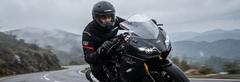
More importantly, solo riding quietly builds confidence. Riders learn throttle control, braking habits, cornering comfort, and road awareness through repetition. Over time, you begin trusting your instincts. That confidence often grows alongside familiar routines, too. Many riders naturally settle into gear that feels reliable - a comfortable helmet that fits securely, riding gloves that improve grip, or a breathable jacket that makes long rides easier. These small comforts make every ride feel effortless and predictable.
Ironically, the confidence built through solo riding is exactly why group riding can feel strange at first, because suddenly, the rules change.
The "Why Is This So Different?" Moment

Almost every rider experiences this moment during their first group ride. The first 20–30 minutes feel oddly uncomfortable. You find yourself constantly watching other riders, trying to understand the formation, wondering if you are too slow, checking mirrors more than usual, and overthinking every small movement. Questions like "Am I riding correctly?", "Should I be closer?", or "Did I miss a signal?" start running through your mind.
Even experienced solo riders suddenly feel self-conscious, and that can feel frustrating because, after all, you already know how to ride. But group riding introduces a completely different rhythm. Instead of focusing only on yourself and the road, you are now paying attention to spacing, signals, group pace, and rider behaviour around you.
Even small discomforts become more noticeable during this adjustment phase. A helmet that feels too tight, gloves that become uncomfortable during longer stretches, or riding gear that feels restrictive can quietly add to mental fatigue. Sometimes, confidence is not just about skill; it is also about comfort.
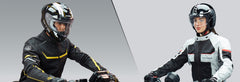
Explore riding helmets, jackets, gloves, and protective gear designed for comfort and confidence on every ride at shop.tvsmotor.
The 5 Things That Usually Feel Awkward During Your First Group Ride and How to Fix Them
1. The Pressure to Match the Group's Pace
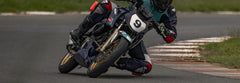
One of the biggest surprises during group bike rides is speed pressure. Even if nobody says anything, many riders feel an unspoken need to keep up. You see experienced riders confidently cornering, accelerating smoothly, and maintaining rhythm, and naturally, you begin comparing yourself. Without realising it, many first-time riders start pushing beyond their comfort zone, and that is where mistakes happen - braking too late, entering corners too quickly, or feeling mentally exhausted trying to "match" everyone else.
Here is the truth: a good riding group never expects beginners to ride beyond their limits. The fix is simple ride your own pace. Communicate honestly with ride leaders before the ride begins, and let them know if it is your first group experience. Most experienced riders appreciate honesty and naturally help newer riders settle in.
Confidence during group bike rides is not only mental—it is physical too. Feeling secure inside a properly fitting helmet, wearing a breathable riding jacket during highway stretches, or having protective gloves that improve grip can quietly improve focus and reduce fatigue during unfamiliar routes. When riders feel physically comfortable, they often ride more confidently too.
2. Suddenly, Riding Feels Less Independent
This one catches many solo riders off guard. During solo rides, freedom feels unlimited. Want chai? Stop. Need fuel? Stop. Want to change routes halfway? Go ahead. But in a riding group, things work differently. Fuel stops happen together, breaks happen together, and routes are planned beforehand.
For riders used to independence, this can feel strangely restrictive. Some even wonder, "Am I enjoying this?" The trick is reframing the experience. Group rides are not about losing freedom—they are about sharing the journey. Instead of focusing on control, focus on the experience: shared roads, conversations, and discovering routes you may never have explored alone.
Comfort matters more than riders expect during longer group rides too. Practical riding essentials like backpacks, hydration accessories, or touring gear can make waiting periods and long-distance riding significantly easier. A comfortable rider is usually a happier rider.
3. Feeling Lost During Group Communication
One thing nobody warns you about is that group rides feel like everyone is speaking a secret language. Someone points downward, another rider taps their helmet, and suddenly everyone slows down. Meanwhile, you are wondering, "Did I miss something?"
Hand signals, formation changes, and lane positioning can feel overwhelming during a first ride, and yes, missing cues can feel embarrassing. But here is the good news: nobody expects beginners to know everything immediately. The easiest fix is to learn a few basic riding signals beforehand. You only need the essentials - slow down, stop, hazard ahead, fuel stop, and formation changes. Everything else becomes easier with experience.
Many riders also rely on practical accessories during unfamiliar routes. Mobile mounts can help with navigation, while helmet communication accessories or Bluetooth-compatible setups often make longer group rides feel more connected and less stressful. The goal is not perfection; the goal is staying calm and predictable.
4. The Weird Fear of "Holding Everyone Back"
This fear is incredibly common. Thoughts like "What if I slow everyone down?", "What if I miss a turn?" or "What if everyone notices I am inexperienced?" quietly follow many riders throughout their first group ride. Ironically, overthinking often creates more mistakes than inexperience itself.
Here is something important to remember: every experienced rider once had an awkward first ride too. Nobody starts perfectly. Experienced groups usually care far more about safety than speed. If you feel tired, unsure, or uncomfortable, communicate. Good riding groups plan regrouping points and breaks for exactly this reason.
Preparedness also reduces anxiety more than people realise. Carrying practical gear like rainwear, luggage solutions, or protective riding gloves often helps riders feel ready for changing road conditions instead of worrying about unexpected situations. Sometimes, confidence simply comes from knowing you are prepared.
5. Social Awkwardness Nobody Talks About
Sometimes, the awkwardness has nothing to do with riding—it is social. If most of your experience comes from solo riding, joining an established riding group can feel intimidating. Everyone already seems familiar with each other, sharing inside jokes, ride memories, and favourite routes, while you are standing there wondering what to say.
The easiest fix? Talk motorcycles. Seriously. Ask about routes, riding experiences, or memorable road trips. Motorcyclists love talking about motorcycles. Interestingly, conversations during chai stops often begin with helmets, riding jackets, favourite accessories, or memorable road-trip gear before naturally turning into friendships. You do not need to force anything; the connection usually happens on its own.
Group Ride vs Solo Ride: What Actually Changes?
The truth is, the group ride vs solo ride debate does not really have a winner. Both experiences offer something valuable. Solo riding offers freedom, reflection, personal confidence, flexible routes, and a familiar riding rhythm. Group bike rides, on the other hand, bring shared excitement, safety in numbers, route discovery, riding discipline, and opportunities to learn from experienced riders.
Solo rides teach independence, while group rides teach awareness. One builds confidence, and the other builds adaptability. Most experienced riders eventually enjoy both. And honestly, both experiences become far more enjoyable when riders feel comfortable, protected, and prepared with riding essentials they trust.
Why You Should Still Say Yes to That First Group Ride
Your first group ride may feel awkward, and that is okay. Every experienced rider you admire today once felt nervous too. They worried about pace, missed signals, felt socially awkward, and wondered if they belonged. But something interesting happens after a few rides, the awkwardness fades, confidence grows, and suddenly, those unfamiliar rides become memorable stories.
Group rides improve awareness, teach patience, and help riders grow beyond comfort zones. Often, feeling prepared with comfortable helmets, breathable jackets, protective gloves, or practical riding accessories helps riders focus less on nervousness and more on enjoying the experience itself. Because ultimately, riding should feel enjoyable, not stressful.
Gear up for your next ride with helmets, jackets, gloves, and riding accessories built for comfort at shop.tvsmotor.
Finding Your Rhythm on Group Rides
Your first group ride feels awkward not because you are a bad rider. It feels awkward because it is unfamiliar. The confidence built through solo riding never disappears, you simply learn how to adapt it to riding with others. Over time, the things that once felt intimidating, formations, signals, and group pace, begin feeling natural.
Comfort often makes that transition easier too. Whether it is protective riding gear, hydration essentials, or practical accessories trusted during longer journeys, feeling prepared helps riders focus on what matters most: enjoying the road. Because sometimes, the ride that feels awkward today becomes the story you remember for years.
FAQs
1. How to ride in a group?
Ride predictably, maintain safe spacing, follow group signals, and avoid sudden braking or overtaking. Most importantly, ride at your own comfort level instead of trying to match faster riders. If you are new to group bike rides, using a properly fitting riding helmet and protective gloves can improve confidence and reduce fatigue during longer stretches. Riders also often prefer breathable riding jackets for added comfort on highways. You can explore riding helmets, gloves, and jackets on shop.tvsmotor before your next ride.
2. Where should beginner riders ride in a group?
Beginner riders should ideally stay behind experienced riders and ahead of the sweep rider (the last rider in the group). This position offers guidance while maintaining safety. During longer rides, comfortable riding jackets, gloves, and protective gear can help newer riders stay relaxed and focused instead of feeling overwhelmed by the pace of the group. Riders looking for riding essentials can check options available on shop.tvsmotor.
3. How to not be scared while learning how to ride a bike?
Start with shorter rides in familiar areas and gradually build confidence. Many riders begin with solo riding to improve control and road awareness before joining group rides. Wearing comfortable protective gear like helmets, riding gloves, and breathable jackets can also help riders feel safer and more focused while learning. You can browse beginner-friendly riding gear and accessories on shop.tvsmotor.

 By
By































4 comments
1
1
1
1