



















There is a funny moment almost every rider has experienced. You walk into a store, try on a helmet, look in the mirror, and suddenly your cheeks puff out like a tiny squirrel storing nuts for winter. You laugh. Your friends laugh. And someone inevitably says, "That's perfect. That's exactly how it should look."
It sounds surprising at first, but that little "chipmunk face" is actually a sign of a properly fitting helmet. Riders often think comfort means looseness, but in reality, safety begins with snugness. A helmet is not meant to feel like a cap you casually slip on. It should feel secure, supportive, and closely fitted to your head shape.
This is where the famous "Chipmunk Cheek Test" comes in. If you can comfortably chew gum or move your jaw freely without feeling resistance, your helmet might actually be too loose. Understanding this concept can completely change the way you choose riding gear. And once you learn how to get the fit right, every ride becomes more comfortable, confident, and enjoyable.
Let us break down why this test matters and how you can find the perfect fit for your next ride.
What the Chipmunk Cheek Test Really Means

The first time you hear about the chipmunk test, it sounds almost like a joke. But it is actually rooted in real helmet safety principles.
When you wear a helmet correctly, the cheek pads should sit snugly against your face. They should apply gentle pressure without causing discomfort. This snug contact ensures that the helmet does not shift while riding, especially during sudden movements or uneven roads.
Think of it this way. Your helmet should move with your head, not independently of it. If you shake your head lightly and feel the helmet sliding, it is a clear sign that the fit is not ideal.
This is why the idea behind the chipmunk cheeks is important. That slightly puffed appearance indicates that the padding is doing its job. Over time, helmet foam naturally compresses and adjusts to your face shape, which means the fit becomes even more comfortable after a few rides.
Riders who follow a proper helmet sizing guide often find that their initial snug fit transforms into the perfect balance between security and comfort.
Before your next ride, take a moment to check your helmet fit and explore riding gear that is designed to offer the right balance of comfort, stability, and long-ride confidence. Explore helmets from TVS
Why Proper Helmet Fitting Changes Your Riding Experience

A well-fitted helmet does more than protect you. It significantly improves your overall riding experience.
When your helmet fits correctly, you notice reduced wind noise, better stability at higher speeds, and less fatigue during long rides. Loose helmets tend to vibrate slightly with airflow, which can strain your neck muscles over time.
Good helmet size also ensures that the visor aligns perfectly with your line of sight. This improves visibility and reduces distractions while riding.
Another important factor is aerodynamics. A helmet that fits snugly cuts through air smoothly, making rides feel quieter and more controlled. This is especially noticeable during highway journeys.
Many riders discover that once they understand how tight a helmet should be, they no longer feel the need to adjust it constantly. Instead, the helmet becomes an effortless part of their riding routine.
Modern riding gear providers like TVS Motor Company focus heavily on ergonomic design. Their riding accessories are created to ensure comfort without compromising safety, which makes choosing the right gear easier for both new and experienced riders.
How to Measure Your Head the Right Way
Before you even try on a helmet, knowing your head size is essential. Be it a small size helmet or a big size helmet, accurate measurement eliminates guesswork and helps you choose the right fit from the start.
The first step is understanding how to measure for helmet size. You will need a flexible measuring tape. Wrap it around your head, just above your eyebrows and ears, keeping it level all around. This measurement gives you your head circumference.
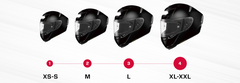
Once you have this number, you can compare it with a standard helmet size chart. Each manufacturer may have slight variations, so always refer to brand-specific charts when possible.
It is also important to remember that head shapes differ. Some riders have round heads, while others have more oval shapes. Trying on helmets after measuring helps you identify which internal shape suits you best.
When riders combine accurate measurement with a reliable helmet sizing guide, they reduce the chances of discomfort and ensure maximum protection during rides.
Understanding the Balance Between Comfort and Security
One of the most common questions riders ask is about comfort. They often wonder whether a snug helmet will feel restrictive over long rides.
The truth is that a properly fitted helmet should feel firm but not painful. There should be even pressure around your head, with no specific pressure points.
This is where understanding how tight a helmet should be becomes crucial. You should not be able to rotate the helmet easily while it is fastened. At the same time, it should not cause headaches or leave deep marks after short use.
Good helmet fitting ensures that the helmet remains stable when you move your head, especially during shoulder checks or sudden stops.
The famous chipmunk test plays a helpful role here. If your cheeks feel lightly compressed and your jaw movement is slightly restricted, it means the helmet padding is holding your face securely.
With time, the foam lining adapts and softens slightly, creating a perfect personalised fit. This natural break-in process is why experts recommend choosing a snug fit rather than a loose one.
Making the Right Choice for Every Ride
Choosing the right helmet is not just about safety ratings or design. It is about how the helmet feels when you actually wear it on the road.
Using a reliable helmet sizing guide helps you narrow down options quickly. Pairing this with an accurate helmet size chart ensures you pick the correct size before trying different models.
Once you try the helmet on, perform simple checks. Shake your head gently, test your field of vision, and see how the chin strap sits. These small steps confirm whether the helmet will remain comfortable during long journeys.
Learning how to measure for helmet size and understanding fit principles gives riders confidence in their choices. It turns helmet shopping from a confusing process into a simple, informed decision.
Modern riding platforms, including shop.tvsmotor, provide detailed sizing information and ergonomic designs that make selecting the right helmet much easier. This allows riders to focus more on enjoying the journey and less on worrying about their gear.
Why Every Rider Should Trust the Chipmunk Cheek Rule
The Chipmunk Cheek Test may sound playful, but it carries a powerful message about rider safety and comfort. It reminds us that the right helmet is not the loosest one or the most comfortable at first try. It is the one that fits securely and becomes comfortable over time.
When you understand fit principles, use proper measurement techniques, and follow trusted guides, choosing the perfect helmet becomes simple.
A snug helmet means better protection, reduced fatigue, improved riding confidence, and smoother journeys. It ensures that your gear works with you rather than distracting you.
So the next time you try on a helmet and see those slightly puffed cheeks in the mirror, smile. It means you are doing it right. It means you are ready for safer, more comfortable rides ahead.
A great journey begins with the right essentials. Make sure your riding kit includes well-fitted protective gear that helps you stay comfortable, secure, and focused on the road ahead. Shop now on shop.tvsmotor
FAQs
1. What is the chipmunk test in a helmet sizing guide?
The chipmunk test is a simple way to check helmet fitting. If your cheeks look slightly puffed and the pads press gently against your face, the helmet is snug and secure. A good helmet sizing guide often recommends this test to ensure the helmet will stay stable during rides.
2. How can I use a helmet size chart correctly?
To use a helmet size chart, first learn how to measure for helmet size by wrapping a measuring tape around your head above your eyebrows and ears. Then match that measurement with the chart provided by the brand to choose the correct size.
3. How tight should a helmet be for safe riding?
A helmet should feel firm with even pressure around your head and cheeks without causing discomfort. Many riders check detailed helmet sizing guide information available on shop.tvsmotor to select the right fit before purchasing.
4. Why is proper helmet fitting important for comfort?
Proper helmet fitting reduces wind noise, prevents helmet movement, and improves overall riding stability. Riders often refer to the helmet size chart and fitting tips available on shop.tvsmotor to ensure they choose a helmet that balances comfort and safety.
5. What is the best way to learn how to measure for helmet size?
The best way to learn how to measure for helmet size is to use a flexible tape to measure your head circumference and compare it with a helmet size chart. Many riders also explore sizing resources and helmet fitting guides on shop.tvsmotor to make accurate choices.

 By
By