



















Introduction
You remove your helmet, run your fingers through your hair, and pause—something feels different. Maybe the hairline looks a little sparse, or there’s a patch that wasn’t this noticeable before. It’s a small moment, but it plants a big question. Hair loss from helmet use is a worry many people share, especially when hair changes show up in the exact spots a helmet rests.'
It’s tempting to blame the helmet straight away, but hair loss rarely has a single cause. Friction, pressure, sweat, and even natural hair cycles can blur the picture. So is the helmet actually to blame, or is it just getting the credit for something else entirely? In this blog, we will explore the real reason behind hair loss, helping you separate genuine medical facts from common assumptions.
Do Helmets Actually Cause Hair Loss?
Helmets have long been blamed whenever hair starts to look thinner, but the reality is far less dramatic. Simply wearing a helmet does not damage hair follicles or trigger permanent hair loss. What usually happens is more about the environment the helmet creates. Constant contact can lead to friction, gentle pressure, and warmth around the scalp, which may cause hair to lie flat, feel weaker, or break more easily in specific areas, often creating confusion about hairfall due to helmet use.
This kind of change often looks like hair loss, even though the hair roots usually remain healthy. With a properly fitted helmet, adequate airflow, regular scalp care, and the use of a biker balaclava to reduce friction, these effects often help over time, reminding us that helmets are rarely the cause, just an easy place to point the finger.

How Helmet Wear Can Affect Hair and Scalp Health
Wearing a helmet doesn’t cause direct hair loss, but the warm, tight environment it creates can cause issues. When fit and cleanliness are ignored, the changes that show up are often mistaken for hair loss from helmet use
In most cases, it comes down to simple things like how well the helmet fits and how clean it’s kept. When either is off, a few common hair and scalp issues can start to appear, which include:
Friction Alopecia
Friction Alopecia is one of the most common reasons helmets get blamed. When the same areas of hair rub against the helmet lining day after day, the strands can slowly weaken. The roots stay healthy, but the hair may start to look thinner in spots, often around the hairline or crown—simply because of repeated friction.
Traction Alopecia
It occurs when there is consistent pulling or tension on the hair. A helmet that’s too tight, combined with tight hairstyles underneath, can place ongoing stress on hair strands. Over time, this tension may cause localized thinning, though it is often reversible when the pressure is reduced early.
Scalp Occlusion and Moisture Buildup
Helmets create a warm, enclosed space. Add sweat to the mix, and moisture can linger on the scalp longer than it should. While this doesn’t cause hair loss directly, it can irritate the scalp and make normal shedding feel more noticeable—often giving the impression of hair loss from helmet use.
Increased Hair Breakage
Heat, pressure, and friction together can make hair more fragile. Instead of shedding from the root, strands may break along the length. This kind of breakage can look alarming, even though the hair growth cycle itself remains completely unaffected.
Scalp Sensitivity and Micro-Irritation
Wearing a helmet for long periods can sometimes leave the scalp feeling tender or sensitive, especially if airflow is limited or hygiene slips. It’s not permanent damage, but if irritation is ignored, overall hair comfort and scalp health can take a hit.
How to Protect Hair From Helmet Wear and Reduce Damage
-
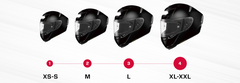
Choose the right fit: A helmet should feel secure without pressing too tightly. Excess pressure creates friction, which is one of the main reasons helmet hair protection matters in daily use.
- Watch out for pressure points: If certain areas feel sore after removing your helmet, that’s a sign of uneven pressure that can stress hair over time.
-
Keep your helmet clean: Sweat, oil, and product buildup inside the liner can irritate the scalp. Regular cleaning supports better helmet hair protection and overall comfort.
-
Refresh your scalp after use: Let your scalp dry out and cleanse away sweat once you’re done. A clean scalp handles regular helmet wear far better.
-
Avoid tight hairstyles: Pulling hair back tightly under a helmet adds tension that can weaken strands and stress roots.
-
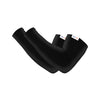
Add a protective layer: Using simple accessories like a balaclava or a helmet liner creates a buffer between your hair and the helmet, reducing friction, absorbing sweat, and making everyday helmet wear more comfortable for your scalp and hair.
A well-designed balaclava adds a soft, breathable layer between your hair and helmet, helping reduce friction and manage sweat for a more comfortable, consistent ride. (Discover Balaclava)

When Hair Loss Is Likely Unrelated to Helmet Use
Sometimes, hair changes have nothing to do with helmets at all. When thinning happens across the scalp instead of in areas where a helmet rests, it often points to natural hair patterns or genetics.
A family history of pattern hair loss can be another clear sign that what you’re seeing isn’t hairfall due to helmet use. It’s also worth noting if hair fall continues even after you’ve adjusted the helmet fit or reduced how often you wear it.
In situations like these, blaming the helmet can quietly delay the right care. A timely professional opinion helps uncover the real cause and keeps small concerns from becoming bigger ones.
Conclusion
The real villains aren’t the helmets themselves, but the small, everyday oversights that come with using them. Things like an ill-fitting helmet, skipped cleaning, or constant friction can quietly affect hair comfort over time. Once these details are addressed, most concerns linked to hair loss from helmet use begin to fade.
With a little attention to fit, hygiene, and helmet hair protection, helmets return to what they’re meant to be—reliable safety gear that supports you without getting in the way of your hair or confidence.
Choosing a well-fitted helmet helps reduce pressure, friction, and poor airflow. Take the time to explore and pick one that supports both safety and everyday comfort. (Discover TVS Helmets)
FAQs
1. Can a helmet cause traction alopecia?
Yes, a helmet can contribute to traction alopecia if it’s too tight or consistently puts pressure on the same areas of the scalp. Wearing a properly fitted helmet reduces unnecessary tension and friction that can stress hair follicles over time. Choosing the right size and fit from shop.tvsmotor can help you protect your hair while also keeping your rides safe.
2. How to prevent hair loss from a helmet?
The best way to prevent hair loss from a helmet is to choose a properly fitted helmet that doesn’t create constant pressure or friction. Wear it on dry hair, keep the inner lining clean, and avoid tight hairstyles. A soft inner cap can also help reduce rubbing and protect your scalp during rides.
3. Do helmets damage hair?
No, helmets don’t directly damage hair or cause permanent hair loss. However, poor fit, friction, and wearing a helmet on wet hair can lead to temporary breakage or thinning over time.
4. What to wear under a motorcycle helmet?
Under a motorcycle helmet, wearing a biker balaclava or a soft helmet liner is one of the best solutions. It helps reduce friction, absorbs sweat, and keeps the scalp comfortable during long rides. You can explore quality balaclava options on shop.tvsmotor to find one that suits your riding needs and helmet fit.
5. How to protect long hair on a motorcycle?
To protect long hair on a motorcycle, focus on helmet hair protection by securing hair in a loose braid or low bun to avoid tension. Always wear a soft inner layer like a balaclava or liner to reduce friction and flyaways. Make sure your helmet fits well and put it on only after your hair is completely dry.
|
Disclaimer: The information on this blog is for general informational purposes only. While we strive for accuracy, the experiences, tips, and recommendations may vary. So the readers are advised to verify details independently and use the information at their own judgment. |

 By
By